10 Real Reasons to Become a Flight Attendant in 2026

Published by:
Triad Aviation Academy
Published on:
Updated on:
Read time:
9 min read
If you’re weighing whether to start training as a Flight Attendant in 2026, you already know the short version: travel, new people, a job that doesn’t look like everyone else’s. What’s harder to find is an honest answer to why, past the postcard version. You’re choosing between this path and something safer and more familiar, and the real reasons that make people commit to a career change like this one are more specific than “I like to travel.” Here are 10 of them, without the padding.
1. Your Office Changes Every Trip
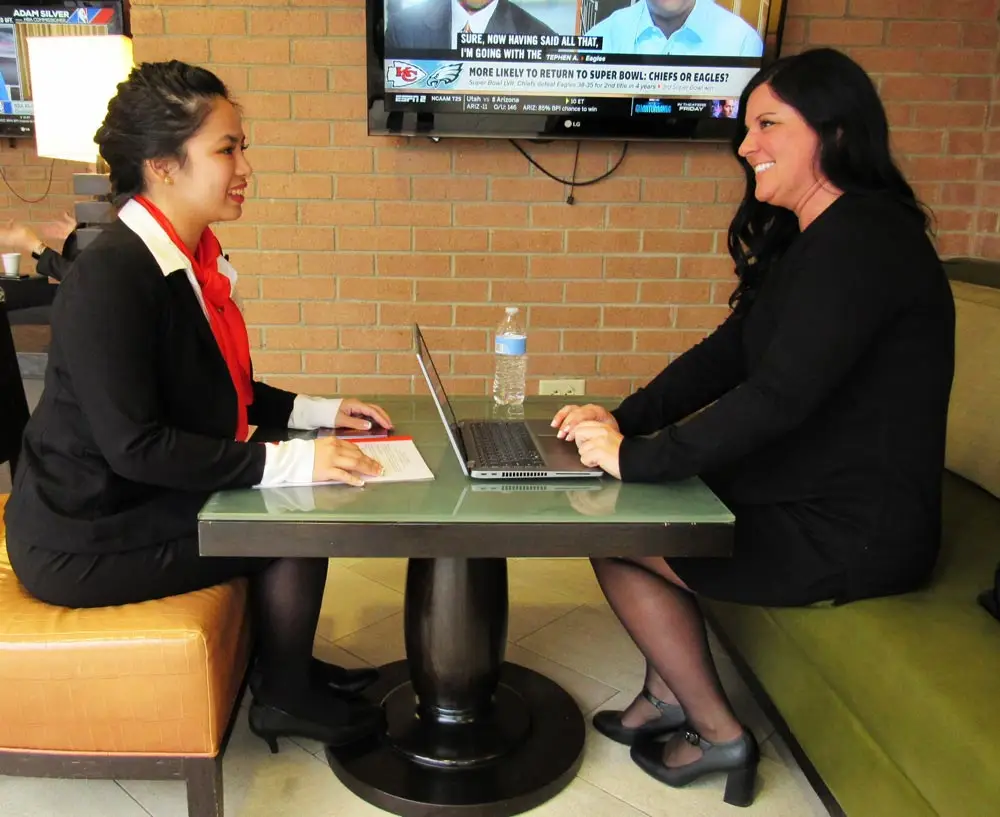
Most careers ask you to sit in the same building for years. This one doesn’t. Flight Attendants work routes that put them in new cities, new airports, and often new countries on a regular basis, alongside a rotating mix of passengers and crew. You’re not visiting a place once on vacation and going home, you’re building a working relationship with dozens of airports and the rhythm of being somewhere new on a Tuesday. If routine is the thing you’re trying to escape, this is one of the few careers built for you. Our Flight Attendant Preparation Program is designed around getting you ready for exactly that kind of schedule from day one.
2. Every Flight Introduces You to People You’d Never Meet Otherwise
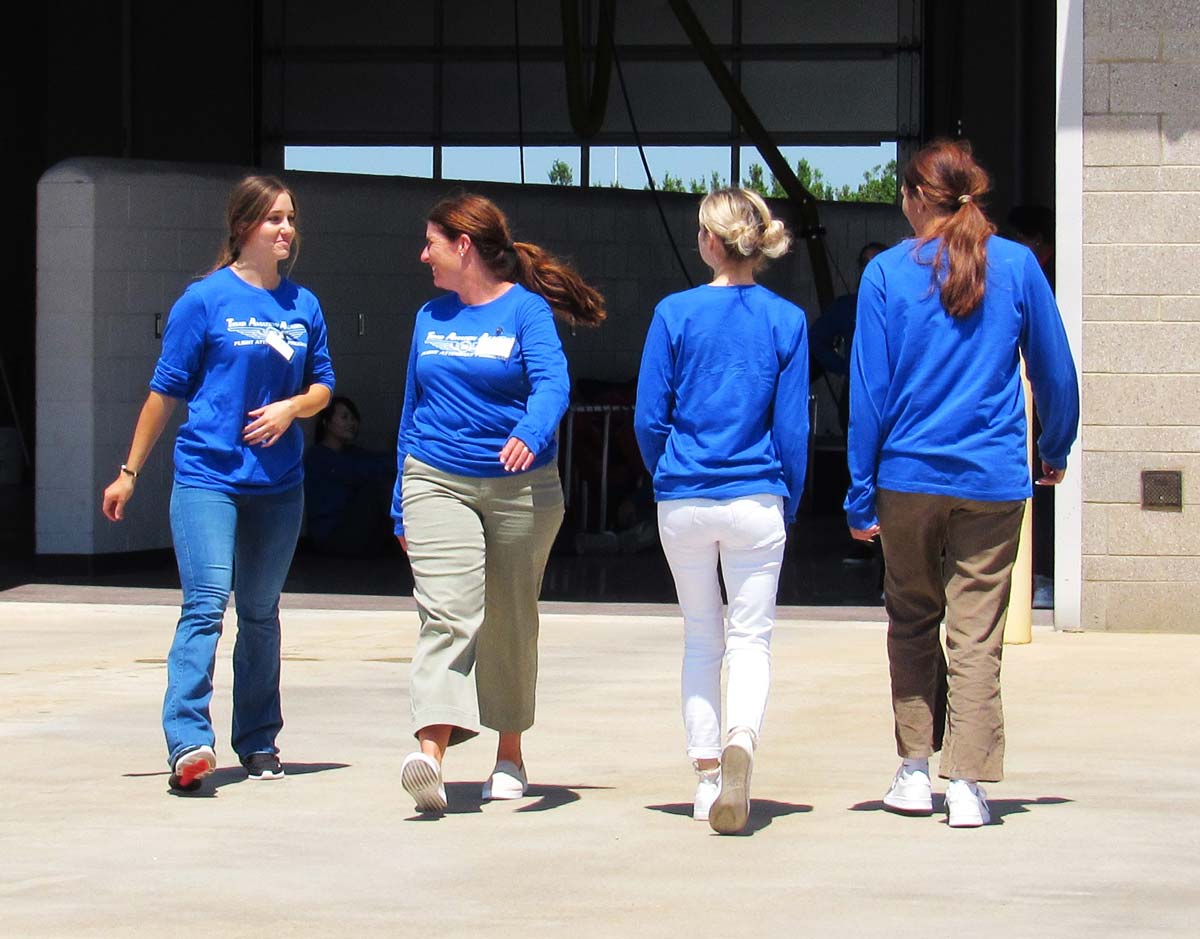
A desk job puts you in front of the same coworkers and, if you’re lucky, a rotating set of clients. A flight deck full of strangers is a different exercise entirely. You’ll work alongside crew members from different backgrounds and serve passengers from every walk of life: different ages, cultures, languages, and reasons for being on that plane. Some of it is small talk at 35,000 feet. Some of it is a genuine, memorable connection you wouldn’t have had anywhere else. Our students come from all over the United States and internationally, which is exactly the kind of mix you’ll keep meeting once you’re working the aisle. Read more about the range of people who train at Graduates & Testimonials.
3. It’s Fast-Paced, and It’s Real Responsibility: Not Just Hospitality
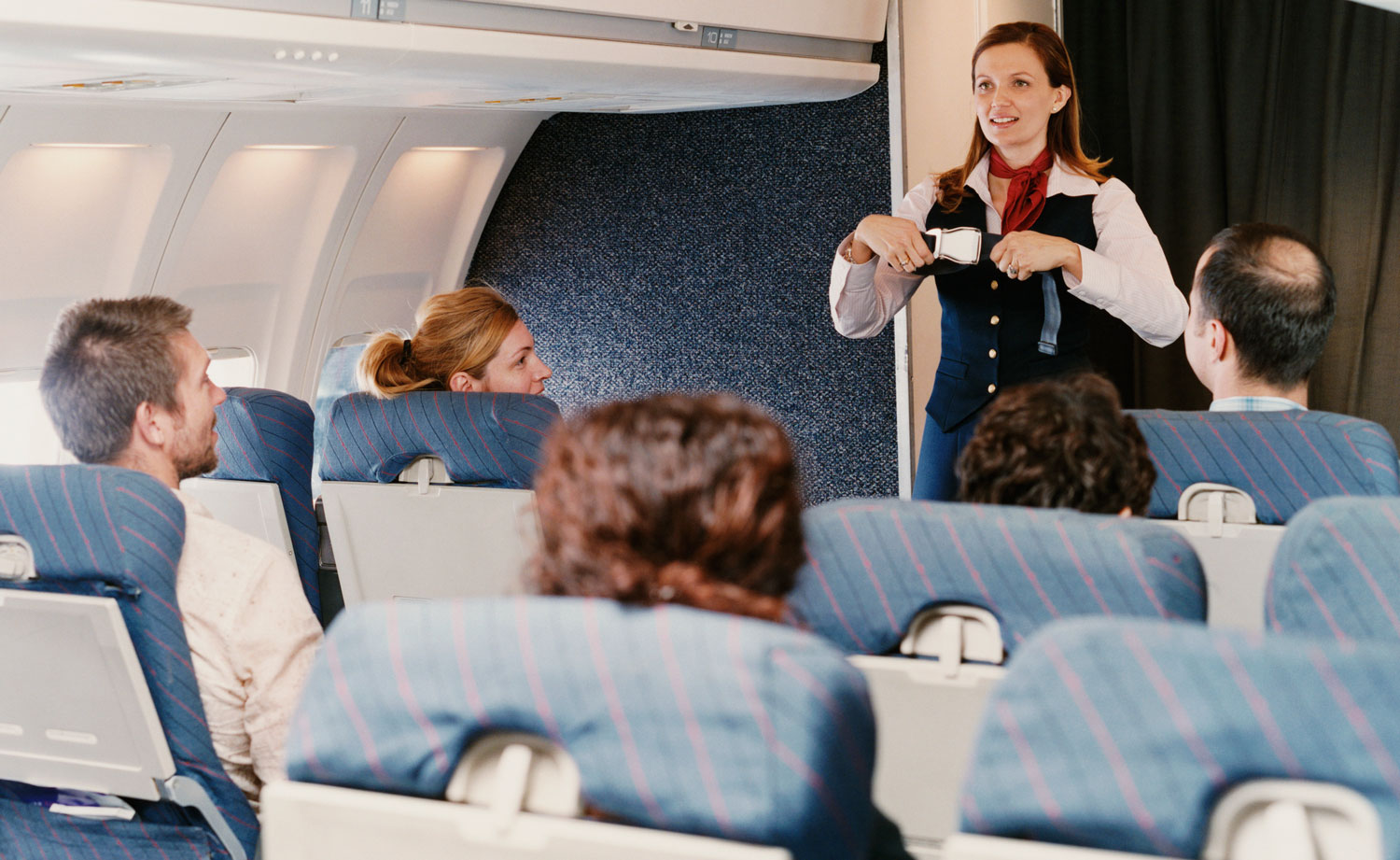
It’s easy to picture the job as service with a smile. That’s part of it, but Flight Attendants are safety professionals first. The top priority on every flight is passenger safety, which means being trained to handle emergency landings, medical incidents, unruly passengers, and evacuations, all while staying calm enough that nobody around you panics. That’s a genuinely different kind of pressure than most customer-facing jobs, and it’s a big part of why the pace never really slows down during a shift. Training for that responsibility is the core of what we teach in the Flight Attendant Preparation Program, including hands-on cabin drills that go well beyond a service script.
4. The Schedule Looks Nothing Like a Standard 9-to-5
This is where honesty matters most, because “flexible” gets oversold. A Flight Attendant’s schedule is genuinely non-traditional: trips are scheduled in blocks rather than a Monday-through-Friday grid, hours regularly include nights, weekends, and holidays, and new hires typically build seniority over time before they get more say over their own trips. That’s a real kind of flexibility (you’re not stuck at a desk from 9 to 5, and days off often come in longer stretches than a typical job offers) but it’s a different shape of flexibility, not necessarily an easier one. If a rigid, predictable calendar is what keeps you sane, this job will ask you to rethink that. If an unconventional rhythm sounds like a relief, it’s one of the more honest selling points of the career. Questions about what training and early scheduling actually look like are covered on our FAQs page.
5. You’re More Qualified Than You Think
One of the biggest myths about this career is that you need a college degree or years of aviation experience to get started. You don’t. Most airlines look for a high school diploma or GED, the legal right to work, and real customer-facing experience: retail, restaurants, healthcare, hospitality all count. If you’ve ever calmed down a frustrated customer, worked a busy shift on your feet, or kept your composure when a line was six people deep and someone was already upset, you already have the foundation this job is built on. You can check your own eligibility before spending a dollar with our Eligibility Quiz.
6. You Leave More Confident Than You Started
Working the aisle in front of a cabin full of strangers, day after day, changes how you carry yourself. You learn to read a room fast, de-escalate a tense moment without raising your voice, and stay composed when something goes sideways in front of an audience. Those are skills people spend years building in other careers. Flight Attendants build them on the job, early, because the job doesn’t give you a choice. Students consistently tell us the biggest surprise of training isn’t the material. It’s how much more confident they feel handling an interview, a crowd, or a hard conversation once they’ve been through it. Our Flight Attendant Preparation Program includes mock interviews and in-class practice specifically because that confidence has to be built, not assumed.

7. Flight Benefits Can Turn “Someday” Trips Into Real Ones
Most airlines offer flight benefits to their employees, which can include reduced-rate or standby travel for the Flight Attendant and, in many cases, eligible family members. That’s a real, tangible perk of the job: for people who love to travel, it can turn the trips they’ve been putting off into something actually reachable. The exact program, seating rules, and who qualifies are all set by each airline and can change, so it’s worth learning your specific carrier’s policy once you’re hired rather than assuming every airline works the same way. It’s one more reason this career appeals to people who’ve been dreaming about travel longer than they’ve been planning for it.
8. It’s a Real Way to Test the Aviation Industry Before You Commit to a Cockpit
Some of our students are also weighing whether they want to pursue pilot training down the road, and becoming a Flight Attendant first is a legitimate way to explore that. It’s a paid, hands-on way to spend real time inside airline operations: working alongside pilots and crew, learning how a flight actually runs, and figuring out whether the industry itself is the right fit before committing to a longer, more expensive training path. To be clear, Flight Attendant training and work hours don’t count toward FAA pilot certification requirements. Those are separate, regulated paths with their own hour and training requirements. But if you’re aviation-curious and not sure which seat you want to be in yet, this is a faster and lower-commitment way to find out than jumping straight into flight training. Learn more about how our program fits into the bigger picture on About Us.
9. Career Change Is the Rule Here in 2026, Not the Exception
If you’re coming from an unrelated field, you’re not the outlier, you’re the norm. Career-changers show up in class after class: people leaving retail, healthcare, hospitality, and office jobs to start something that finally feels like theirs. Whether you’re starting your first career or making a deliberate change, the entry point is the same: no degree required, real customer-service experience valued, and a clear, structured way to prepare for the interview and the job. If you’ve been sitting on this decision for a while, exploring our Flight Attendant Preparation Program or taking our Eligibility Quiz walks through what starting actually looks like.
10. You Join a Built-In Community
Aviation has a reputation, deserved or not, as one big family, and once you’re in it, that reputation tends to hold up. Crews lean on each other during long days, delays, and the occasional rough flight, and that camaraderie doesn’t stay confined to the plane. Many Flight Attendants describe their crew relationships as some of the closest of their working life, built fast because the job asks you to trust the people next to you almost immediately. It’s a less obvious reason to choose this career, but for a lot of our graduates, it ends up mattering the most. You can see some of that community for yourself on Graduates & Testimonials.
Questions People Ask Before They Commit
Do I need a college degree to become a Flight Attendant? No. Most airlines require just a high school diploma or GED. Real customer-service or hospitality experience carries real weight in the hiring process.
What if I don’t have any aviation experience at all? That’s the norm, not the exception. Plenty of people who train with us start from zero aviation background and build it through the program itself, not before it.
Is the schedule really as flexible as people say? It’s different, not necessarily easier. Trips run in blocks rather than a standard week, and hours include nights, weekends, and holidays. Newer hires typically have less control over their trips until they build seniority.
How much does training cost, and is financing available? Program pricing varies by tier, and we offer flexible payment options, including a 0% in-house plan with no credit check, so cost doesn’t have to be a reason to wait. Current pricing and options are on our Tuition & Financing page.
Will becoming a Flight Attendant help me if I want to be a pilot later? It can give you real, paid exposure to airline operations and crew life, which helps you decide if the industry is right for you. It doesn’t count toward FAA pilot certification hours, since that’s a separate training path with its own requirements.
Is there an in-class opportunity to actually get hired, or is it just training? Our Premium Course includes in-class airline interviews as part of the program, not something you have to chase down afterward. Details are on the Flight Attendant Preparation Program page.
Start With a Real Answer, Not a Guess
You don’t have to decide your whole future today, you just have to decide your next step. If any of these 10 reasons sounded like the version of yourself you’ve been putting off, the fastest way to find out if this career actually fits is to talk to someone who trains people for it every week. Contact us today to ask questions, explore upcoming class dates, and get a clear, honest read on what training with us actually looks like.